How to use sunscreen: SPF, star ratings and how much to apply
What SPF and UVA star ratings mean, how much sunscreen adults are advised to apply, when to reapply and what else protects your skin.
- Rédigé par
- HealthNaro Editorial Team
- Publié
How this page was made: Drafted by the HealthNaro Editorial Team with AI assistance, checked against reputable health sources, and not yet clinically reviewed. Editorial policy
Pas encore relu cliniquement
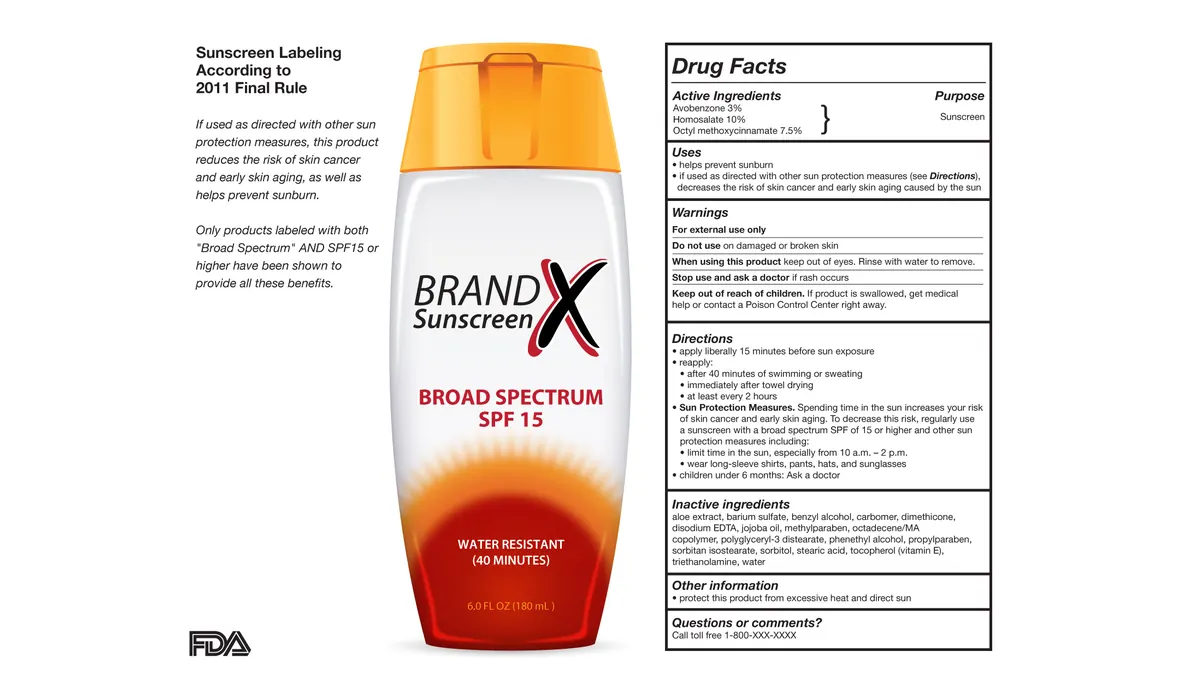
Sunscreen labels can be confusing: sun protection factor (SPF), star ratings, UVA, UVB and expiry symbols. The NHS says most people do not apply enough sunscreen, and that sunscreen alone is not enough protection. This post explains what the labels mean, how much to use, when to reapply and what else to combine it with.
The short answer
- The NHS advises using at least factor 30 sunscreen with at least 4-star UVA protection, in enough quantity and reapplied often.
- As a guide, adults should aim for around 6 to 8 teaspoons if covering the entire body.
- Do not rely on sunscreen alone: spend time in the shade when the sun is strongest, cover up with clothing and sunglasses, and never burn.
- Take extra care with children and keep babies under 6 months out of direct sunlight.
Why it matters
The NHS says sunburn increases your risk of skin cancer, and you can burn even in the UK when it is cloudy. It says there is no safe or healthy way to get a tan and that a tan does not protect your skin from the sun's harmful effects. It also notes that people should aim to balance protecting their skin with getting enough vitamin D from sunlight.
What the label means
SPF
The sun protection factor is a measure of protection from ultraviolet B (UVB) radiation. The NHS says SPFs are rated on a scale of 2 to 50+, with 50+ offering the strongest UVB protection, and advises an SPF of at least 30.
Star rating and UVA
The star rating measures protection from ultraviolet A (UVA). The NHS advises at least 4 stars, and says UVA protection can also be shown by the letters UVA in a circle, which indicates it meets the EU standard. Sunscreens that protect against both UVA and UVB are sometimes called broad spectrum. Labelling systems differ between countries, so look for a product with clear UVA and UVB protection and ask a pharmacist if you cannot tell.
Expiry
Check that the sunscreen is not past its expiry date. An open jar symbol with an M and a number shows how many months the product lasts once opened.
How much to apply
The NHS says most people do not apply enough. If sunscreen is put on too thinly, the protection it gives is reduced. The guide for adults is around 6 to 8 teaspoons to cover the entire body. Other health bodies give similar figures, expressed in different ways, so treat these as a guide and err towards more rather than less.
Apply to all exposed skin, including the face, neck and ears, and the head if you have thinning or no hair, though the NHS says a wide-brimmed hat is better for the head. If you plan to be in the sun long enough to risk burning, the NHS says to apply sunscreen twice: 30 minutes before going out, and just before going out.
Sunscreen does not extend the time you can safely spend in the sun. The NHS says not to spend any longer in the sun than you would without sunscreen.
Reapplying
Sunscreen can rub off, wash off in water or come off with sweat and towels. Reapply frequently, as the NHS says, and after swimming or towelling. Follow the directions on the product, because water resistance and instructions vary.
What else to do
The NHS lists a set of habits that work together:
- spend time in the shade between 11am and 3pm, when the sun is strongest in the UK from March to October
- never burn
- cover up with suitable clothing and sunglasses
- take extra care with children
- keep babies under 6 months out of direct sunlight
- check the UV index on a weather app. If it is 3 or higher, consider protecting your skin
The hours of strongest sun differ by place and season. Near the equator, the sun is intense for much of the day, so use local weather information and avoid being outdoors in the middle of the day where you can.
Skin type and sunburn
Sunburn raises skin cancer risk, and the NHS advice applies whatever your skin tone. An individual with a history of skin cancer, a weakened immune system or many moles should ask a doctor for tailored advice.
When to see a doctor
See a doctor about any mole or skin mark that changes, bleeds or does not heal. Our post on when to worry about a mole lists the signs, and the skin cancer screening service page describes screening. For wider background, see the dermatology topic and the dermatology category. If you want help finding a clinic, you can send an inquiry.
Frequently asked questions
Is a higher SPF always better?
A higher SPF gives more UVB protection, but no sunscreen blocks everything. Applying enough and reapplying matter as much as the number.
Do I need sunscreen on cloudy days?
The NHS says you can burn when it is cloudy. Check the UV index and protect your skin when it is 3 or higher.
Can babies use sunscreen?
The NHS advises keeping babies under 6 months out of direct sunlight. Ask a pharmacist or doctor about sun protection for young children.
Does sunscreen stop me making vitamin D?
The NHS says to strike a balance between sun protection and getting enough vitamin D from sunlight. Ask your doctor if you are concerned about vitamin D.
General information only
This article is general information, not medical advice. If you have severe sunburn with blistering, fever, confusion or faintness, seek urgent medical care.
Si vous pensez être en situation d'urgence médicale, contactez immédiatement les services d'urgence locaux ou rendez-vous aux urgences les plus proches. N'attendez pas la réponse d'une fiche d'annuaire.
Besoin d'aide pour trouver dermatology ?
Dites-nous ce dont vous avez besoin et où. Nous vous contactons, comprenons votre situation et vous aidons à trouver et à choisir une clinique adaptée. Ce service est gratuit pour les patients.
Plus sur le blog
-
Article de blog
Acne in adults: what helps and when to see a doctor
What acne looks like, the everyday steps the NHS suggests, how a pharmacist can help and when a doctor or dermatologist can offer more.
5 novembre 2026
-
Article de blog
When to worry about a mole: changes to check and when to see a doctor
What a typical mole looks like, the changes the NHS lists as possible signs of melanoma, and how to check your skin and seek advice.
4 novembre 2026
-
Article de blog
Eczema or psoriasis: how to tell the difference
How atopic eczema and psoriasis typically look, where they appear, when they start and when to see a doctor for either.
3 novembre 2026